Smith Community Mental Health’s Transition to Independence Process (TIP) Program supports transition-age youth and young adults as they develop the skills, confidence, and supports needed to successfully navigate adulthood and achieve greater independence.
The Transition to Independence Process (TIP) Model is a strength-based, youth-driven, evidence-supported practice, that was developed for working with youth and young adults (14-29 years old) with emotional/behavioral difficulties. Using a young adult-centered, strengths-based approach, TIP Coaches build meaningful relationships with participants and help them identify their strengths, develop individualized goals, and create a vision for their future. Coaching focuses on practical areas essential to successful independent living, including education and employment, financial and daily living skills, health and self-care, housing and community stability, decision-making, interpersonal skills, and connection to community resources and natural supports.
TIP services emphasize active engagement and hands-on skill development rather than simply providing information. Coaches work alongside young adults to practice skills in real-life settings, overcome barriers, connect with needed resources, and build the ability to increasingly manage responsibilities independently.
Through individualized planning, ongoing assessment of strengths and needs, skill development, resource navigation, and transition planning, the TIP Program helps young adults move toward self-sufficiency, stability, community integration and natural supports development, and a successful transition into adulthood far beyond the conclusion of formal services.
TIP Coaches, also called Life Coaches and Independent Living Coaches:
- Engage youth and young adults in their own futures planning process
- Provide youth with developmentally appropriate, non-stigmatizing, culturally competent, and appealing services and supports, and
- Involve youth and their families and other informal key players or natural supports (mentors, educators, employers) in a process that prepares and facilitates them in their movement toward greater self-sufficiency and successful achievement of their goals related to their relevant transition domains.
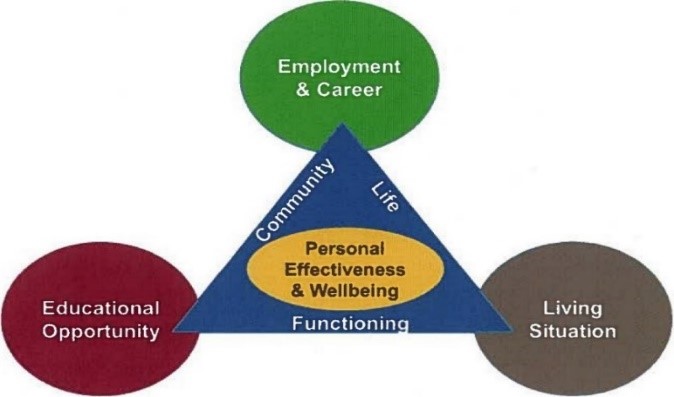
- TIP domains include: